The early Christian mosaics in the barrel vault at Santa Costanza on the Via Nomentana
September 14, 2026 · 2 min read
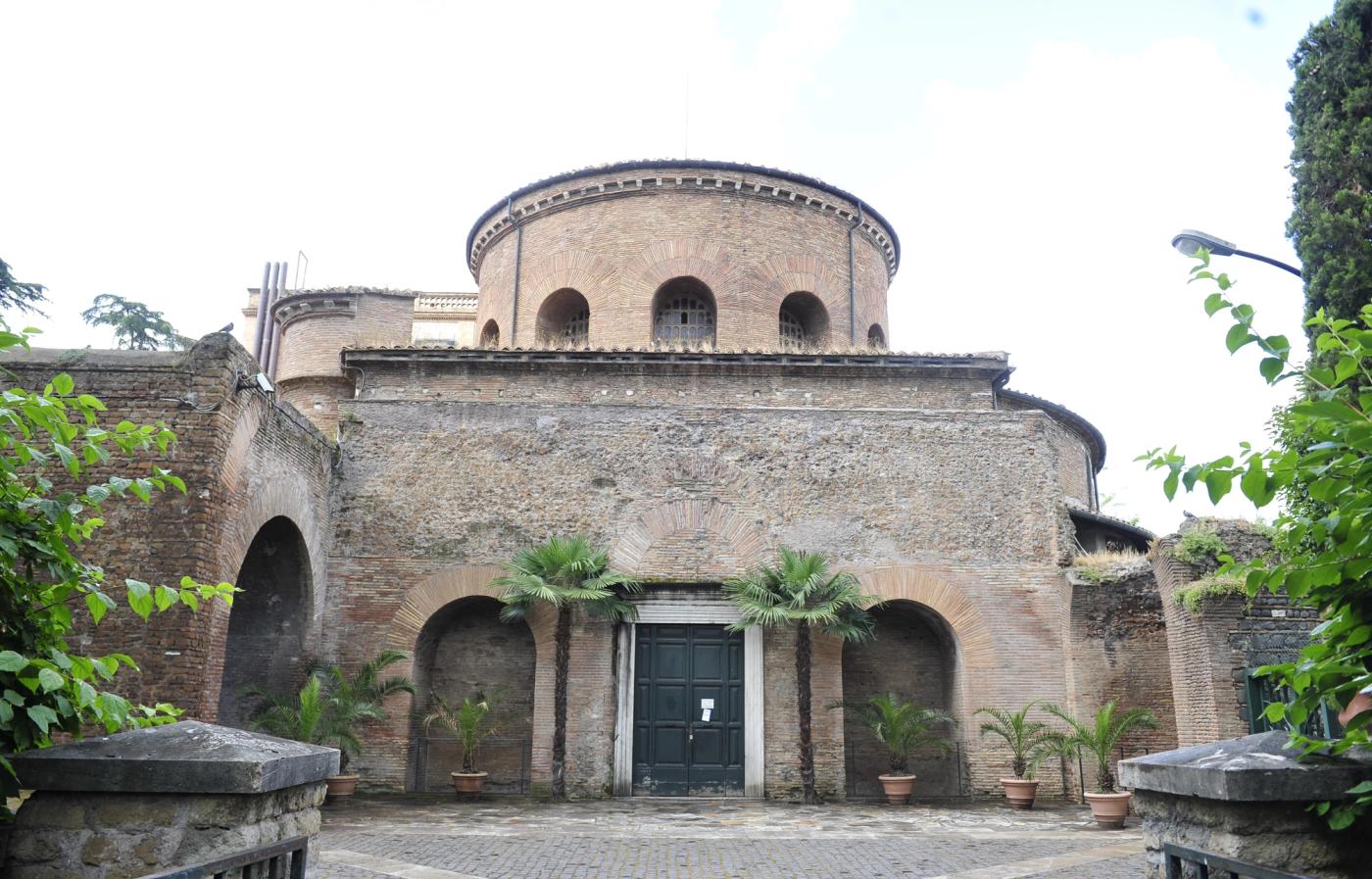
In c320-330 Constantine made a mausoleum for his daughter Constantia next to the site of Saint Agnes’ tomb in her family’s catacomb off the Via Nomentana, about a mile outside the city walls. This, with the Pantheon, is one of the few intact ancient structures in Rome.
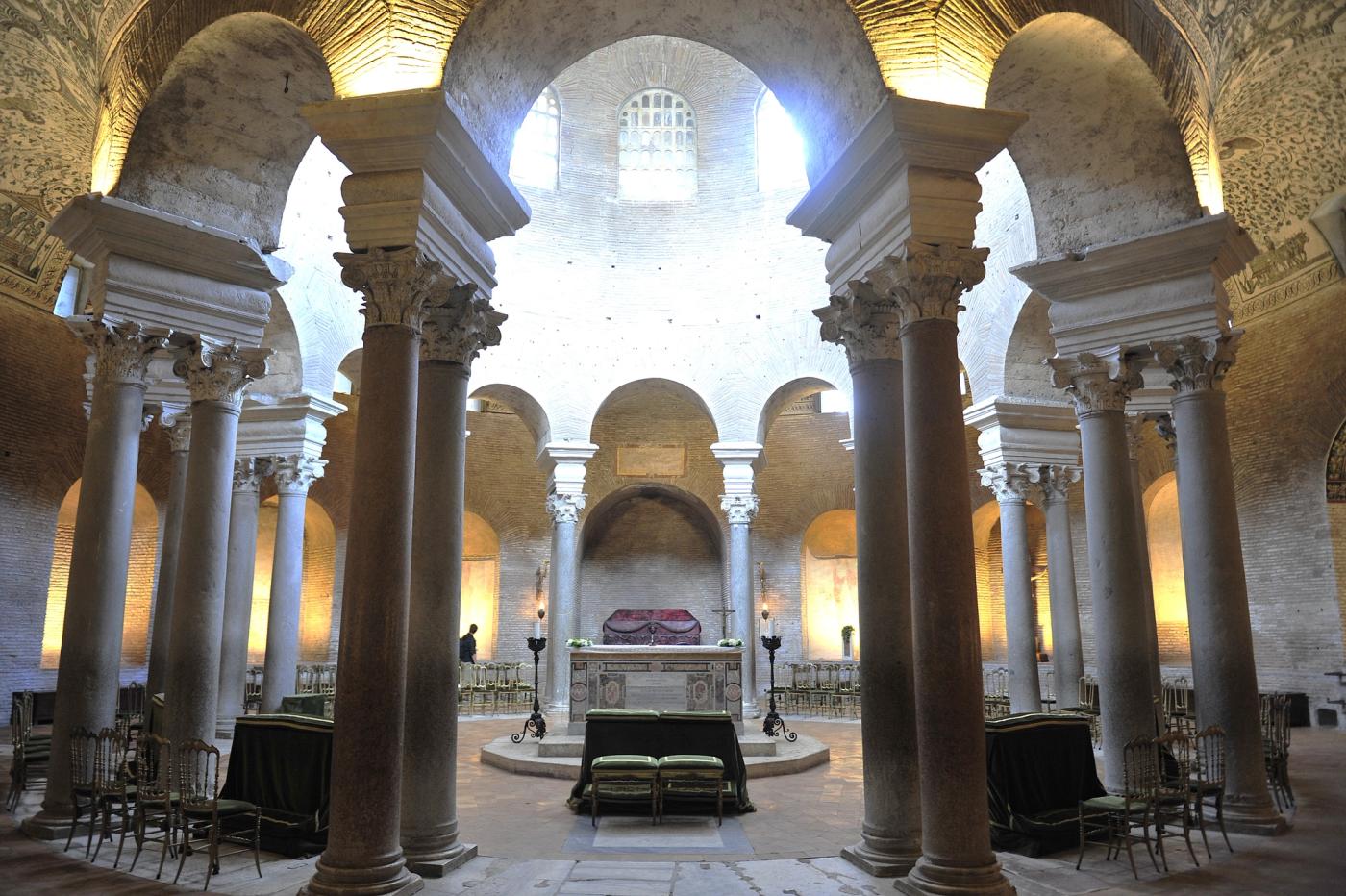
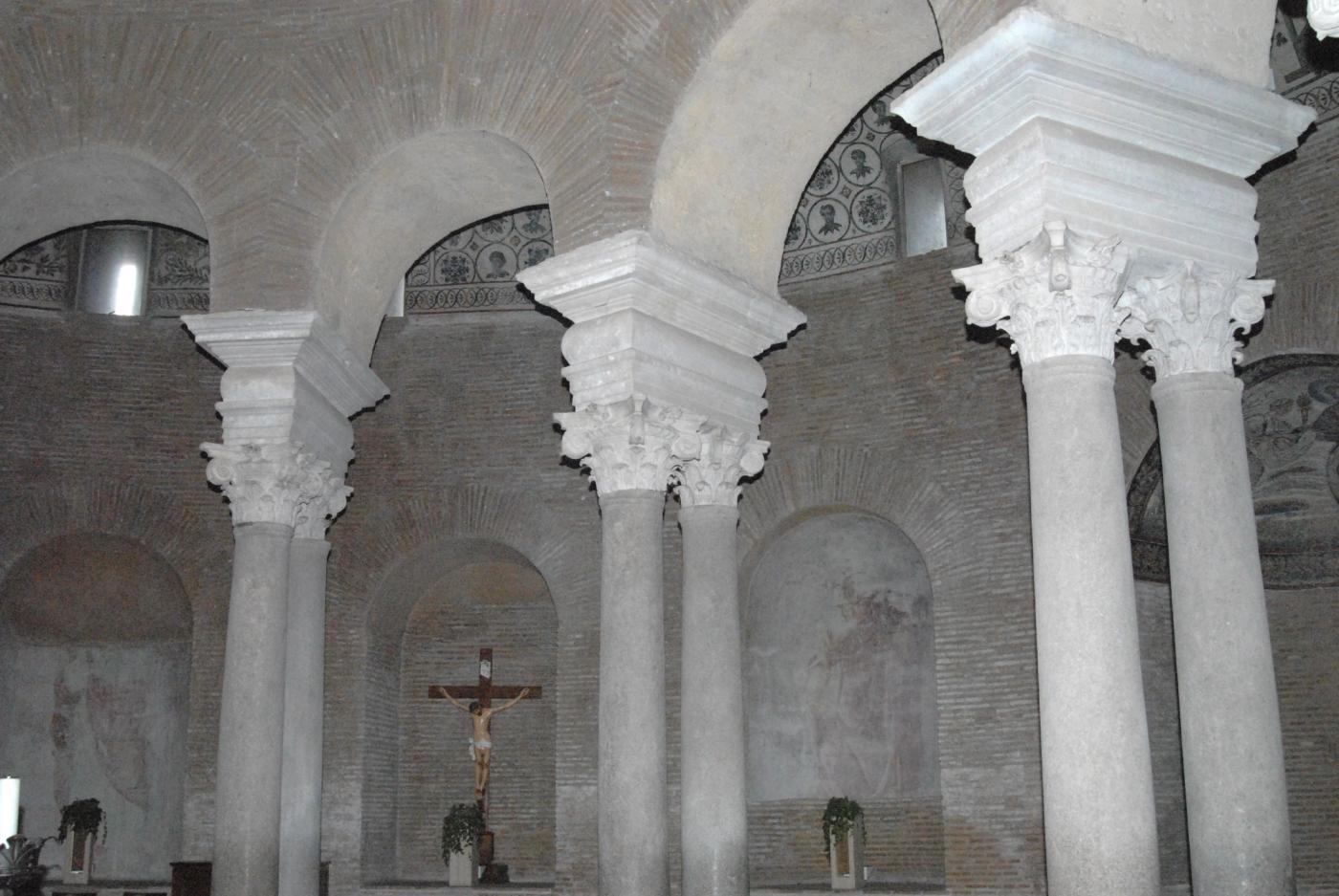
A barrel vault with twenty-four perfectly paired granite columns encircles the drum, eighteen are Granito persichino from Sardinia (grey, plentifully flushed with lilac), four Granito rosso from Syene—Lapis Pyrrhopoecilus (crystals of fiery red, mixed with black, white and green), and two Granito del Foro also from Syene—Lapis Psaronius (white quartz and feldspar with black spots of mica equally distant, and a few yellowish dots). H.W. Pullen.
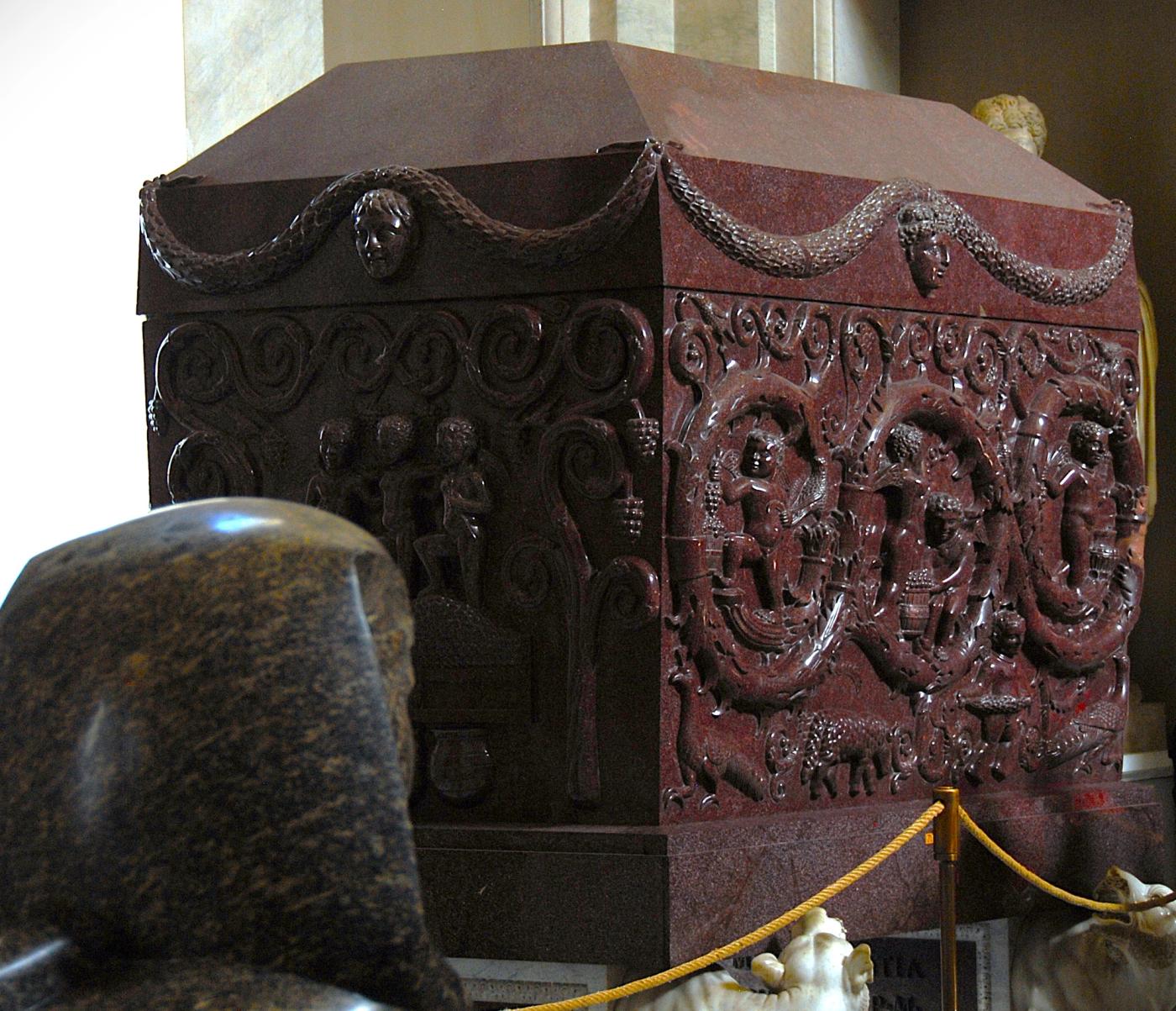
At the far end is a replica of the sarcophagus of Constantina, the original now greets us as we enter the Pio-Clemetina at the Vatican Museum. Pay special attention to the peacocks and lambs used by the early Christians as symbols of Jesus and the apotheosis, or the transition from death into eternal life, the Resurrection.The peacock comes from the symbol for Juno, the pagan god of the apotheosis of kings and emperors. We also see the putti and genii harvesting grapes, also a symbol of Jesus and Christian life.
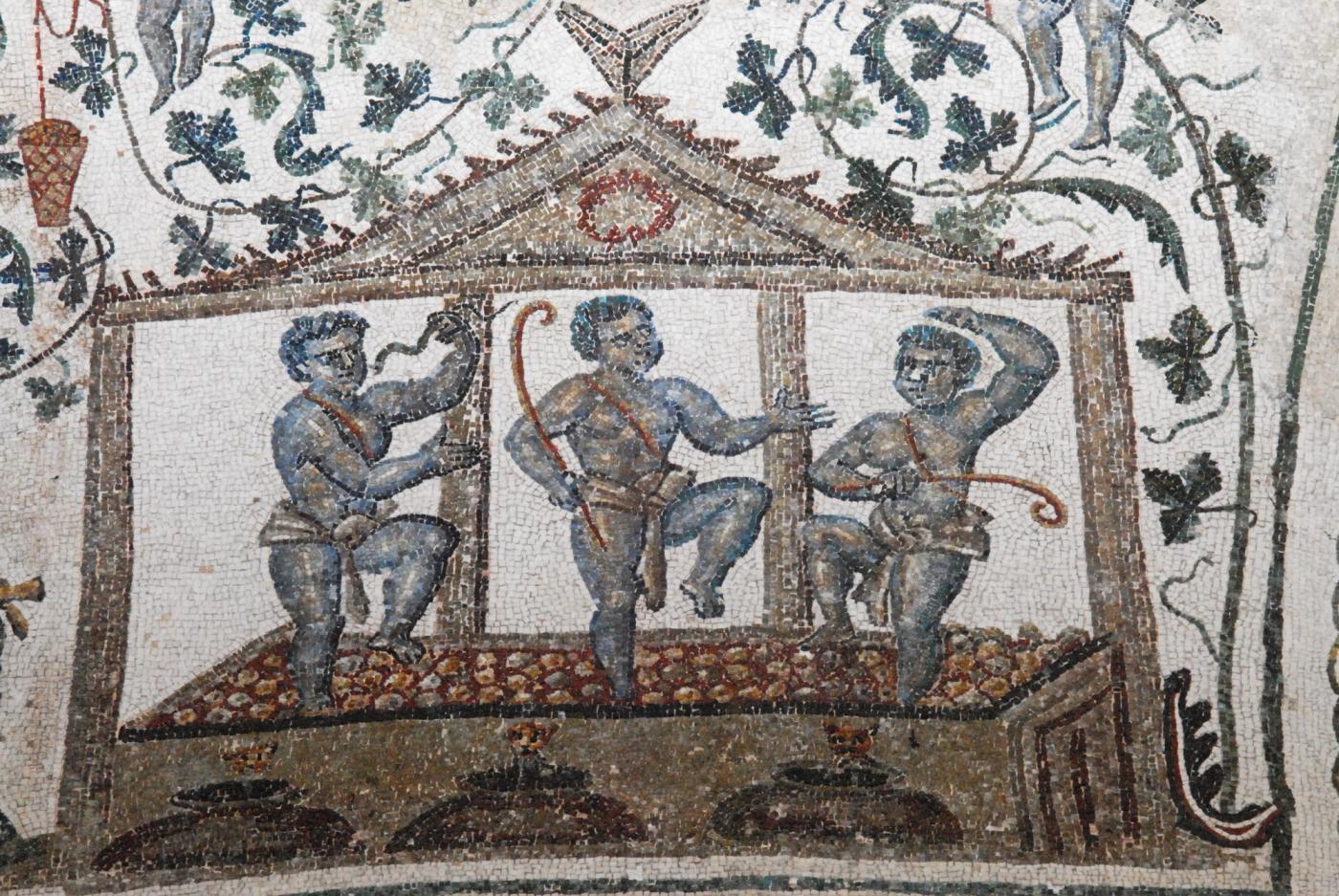
The barrel vault mosaics are fourth century work of the highest order.Are these Christina themes?Paradise, a wine harvest, cupid and psyche, and dolphins?
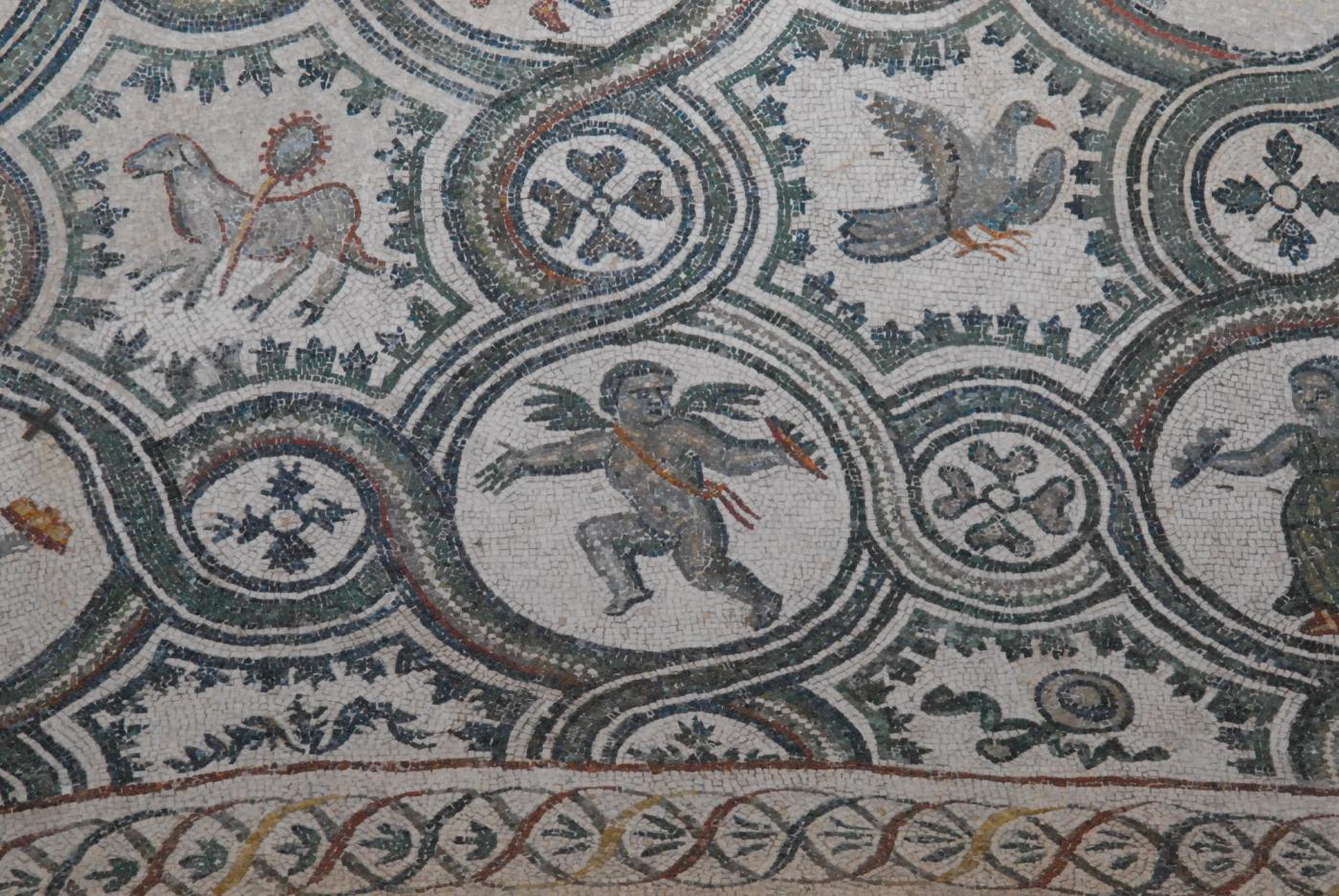
The mosaics that were once in the dome lost to damp were of Susannah, Tobias, Elias and Noah. There are six themes in the barrel vault, repeated right and left.The most entertaining are the putti wine mashers, but these are rivalled by birds, conch shells, foliage and fruit.The fruits include grapes, pears, oranges and pineapple.We also see the classical wine and water jugs, and a horned basket. The vine tendril is certainly a Christian theme, but others are Dionysiac, and of the Roman/Greek asaroton floor mosaic tradition with all kinds of household objects realistically strewn on a floor.
In the two apsidal mosaics at the sides of the ambulatory, we have the Traditio Legis and the Traditio Clavium. In the first Jesus gives the keys to Peter; some say this is Jehovah gives the law to Moses.The second has Peter and Paul.The “DOMINVS PACEM DA” is a probably a mistake by the restorer and should read “DOMINVS LEGEM DAT.” These lesser quality fourth century mosaics came after the barrel vault mosaics. The classical borders though are of very high quality and reflect the great love Romans had for floral and fruit orders.
Thank you for reading. If you found this useful, you might also enjoy the books.