The Cappella of John Henry Newman at the Propaganda Fide in Rome
October 12, 2026 · 2 min read
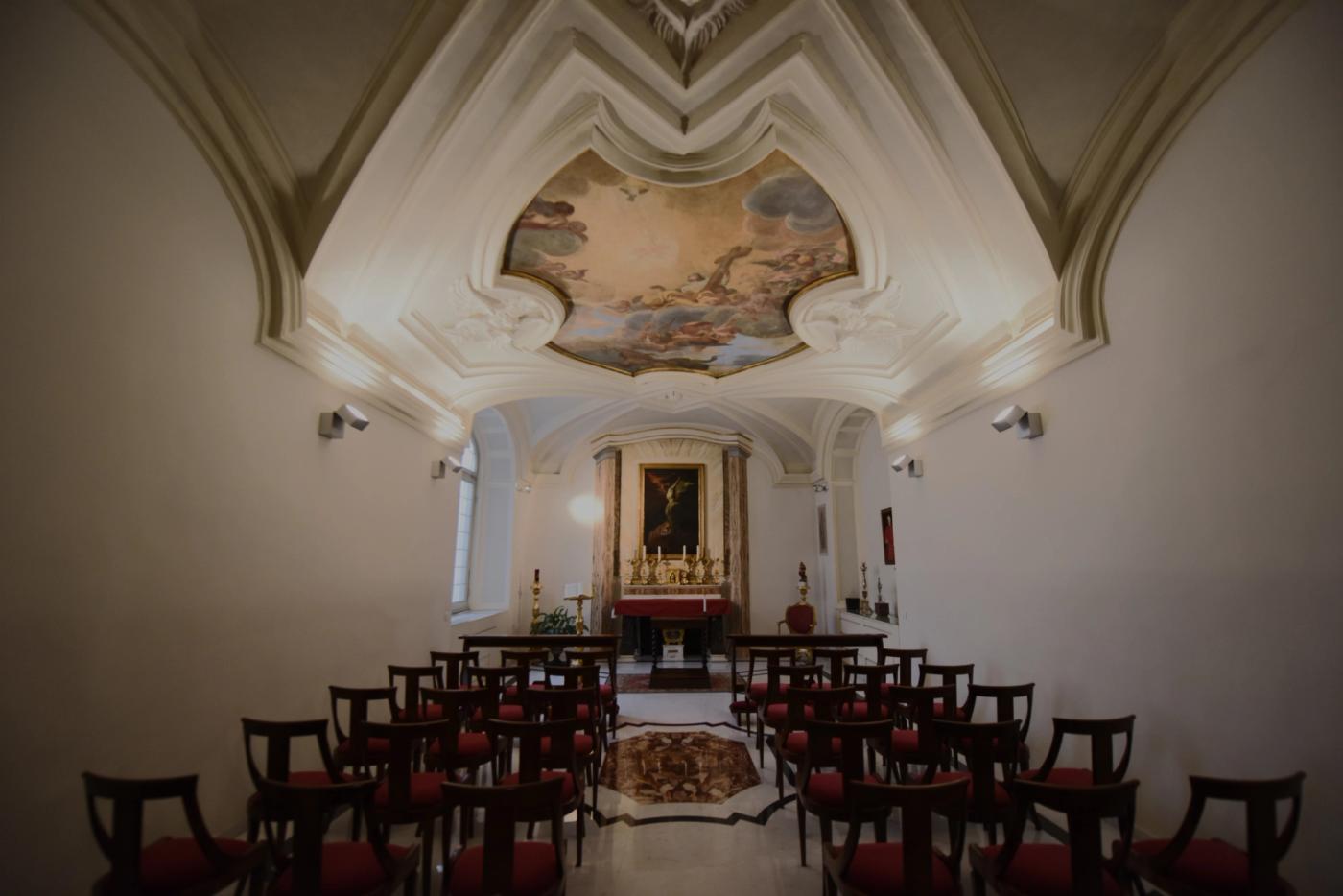
John Henry Newman converted to the Catholic Faith on October 9, 1845, and Pope Leo XIV added that date to the General Roman Calendar as the feast of his memorial. Leo also proclaimed Newman the 38th Doctor of the Church. Newman’s journey to the Faith began with his stay at the English College in Rome in 1832.He made his decision to convert in April 1842, after writing his famous “Essay Development of Christian Doctrine.” In 1845 he converted at Littlemore, and in 1846 he returned to Rome, and, attending mass at the Chiesa Nuova, decided to join the Congregation of the Oratory of Saint Philip Neri. He began his studies to become a priest at the Collegio Romanum, the Society for the Propagation of the Faith, the Propaganda Fide, which trained priests for evangelization in pagan lands (as England was then considered!). He loved his time at the Propaganda, where his room overlooked Sant’Andrea della Fratte, where Our Lady of the Miraculous Medal had appeared three years earlier to Alphonse Ratisbonne. “(Life at the Propaganda) …is like a dream, and yet so calm, so secure, so happy, as if I had always belonged there…”
Newman was ordained on May 30, 1847 in the Magi Chapel at the Propaganda …… and celebrated his first mass in the Oratory of the Seminary, now renamed for him, and which has a relic (strands of his hair) beneath the small altar.
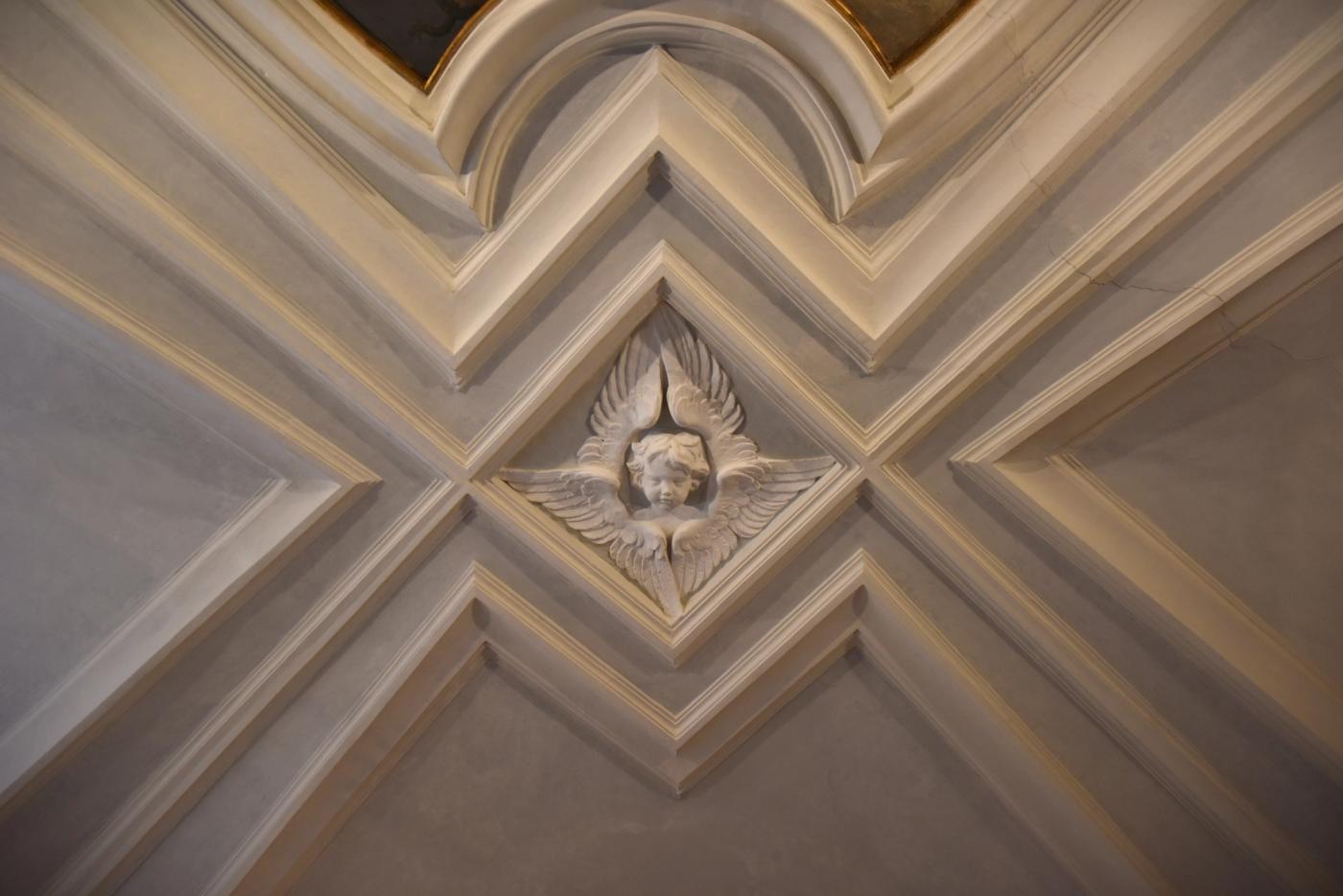
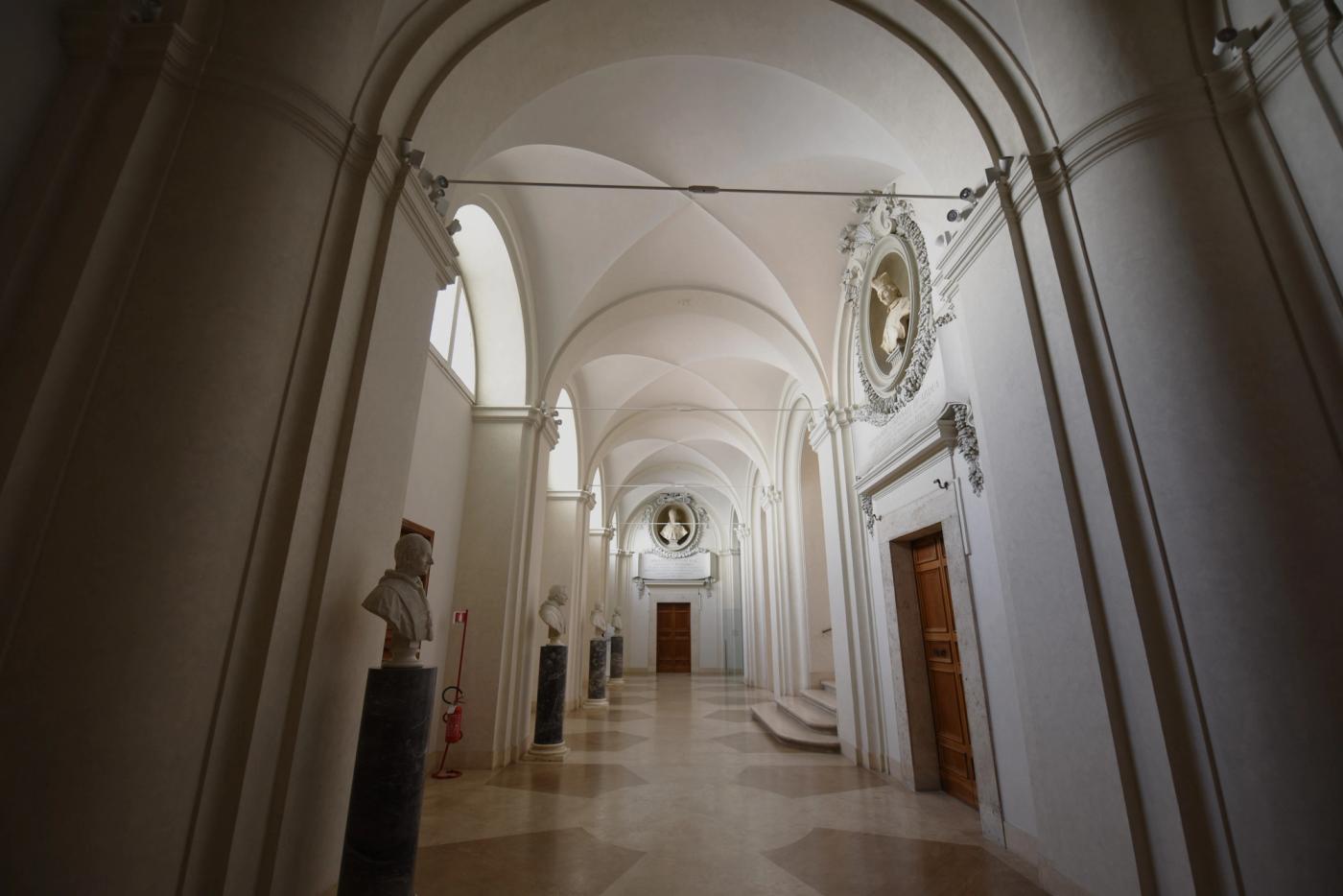
The Newman Chapel was made by Francesco Borromini (1599-1667), the Master of Baroque Architecture, who had been made architect for the Palazzo Propaganda in 1646.The Society had been established by Gregory XV in 1622, the Seminary was created by Urban VIII in 1627, the Collegium Urbanum. The Society acquired the Propaganda block in 1646, and immediately began the new complex. The project progressed slowly but sometime in the 1650’s the seminary rooms were begun, among these the oratory, dormitory, and a library.
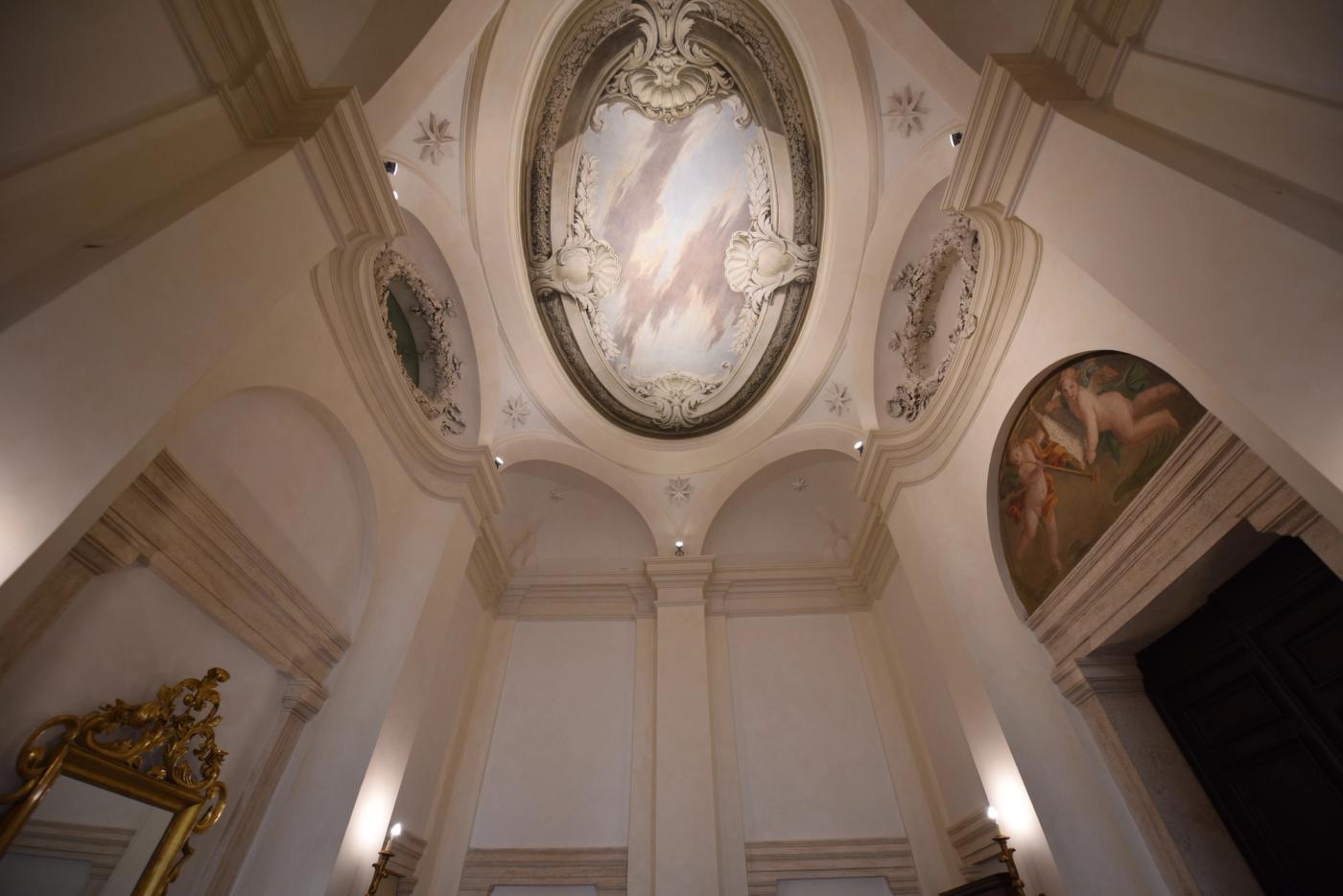
Here we see all the skills and talent of the mature Borromini, now in his late fifties.
Thank you for reading. If you found this useful, you might also enjoy the books.