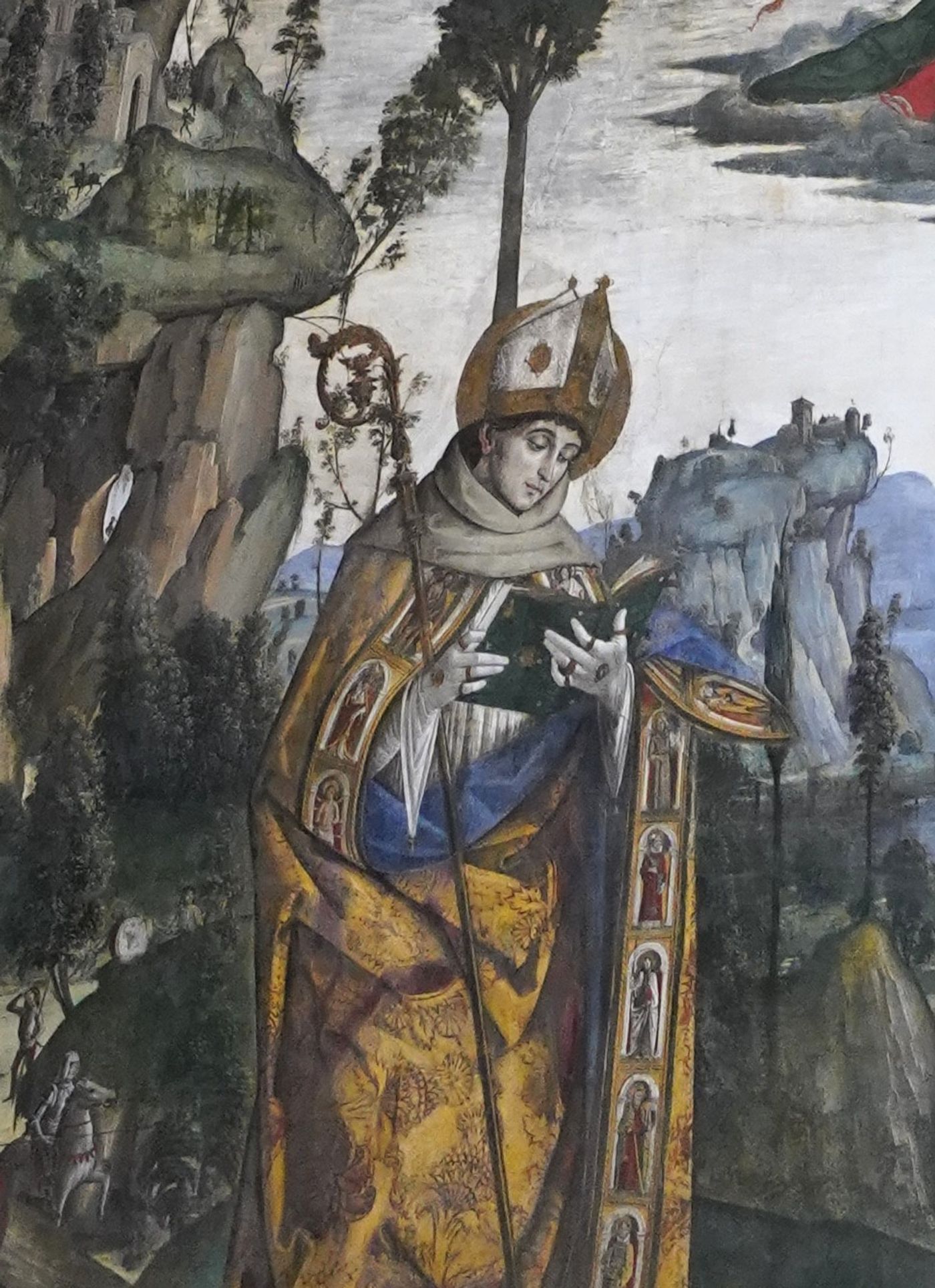
San Bernardino of Siena--the Bufalini Chapel at Maria in Ara Coeli in Rome
November 2, 2026 · 2 min read
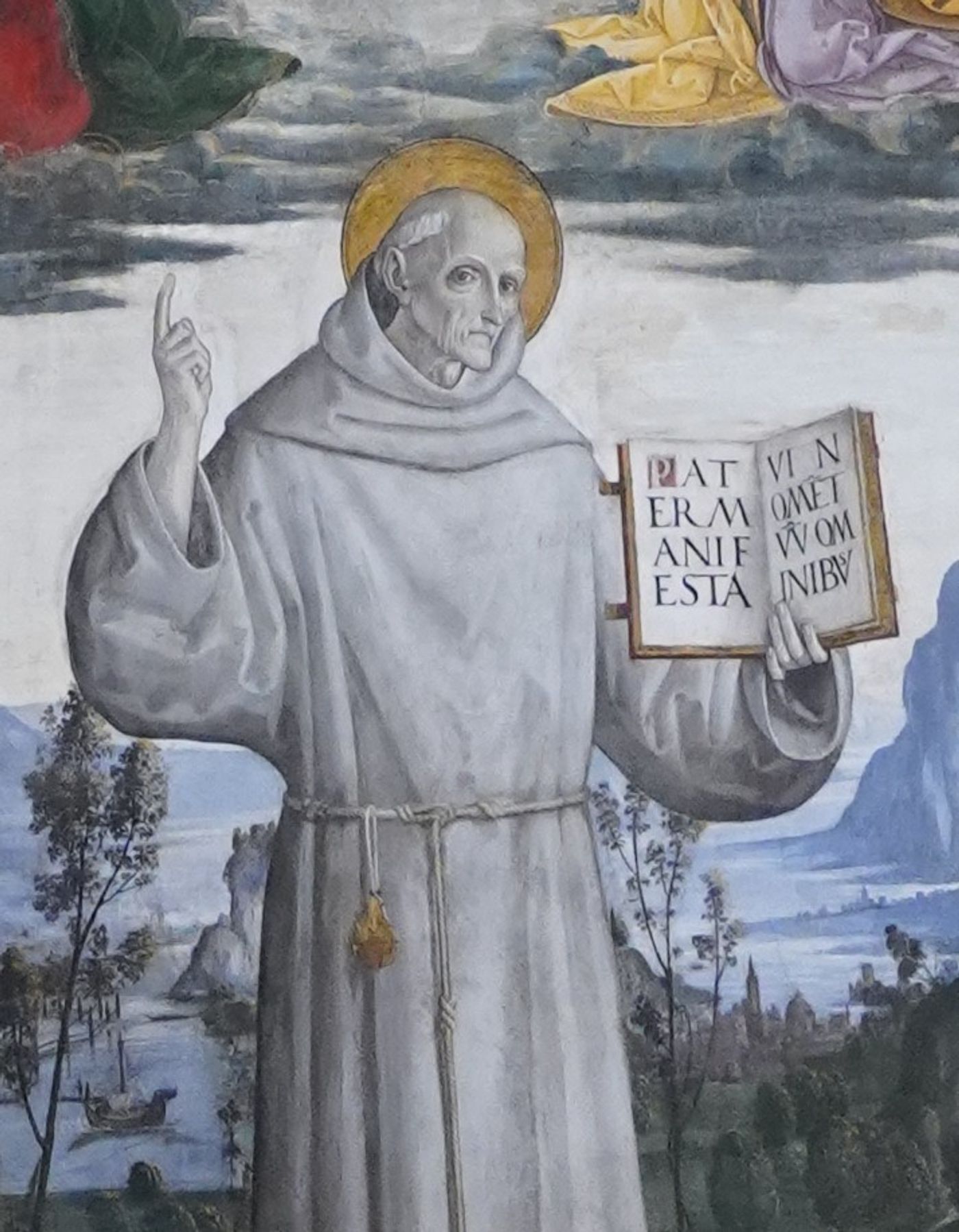
Bernard of Siena (1380-1444) is perhaps the best preacher the Church has ever produced. As a young man, Bernardino gave his health ministering to the sick during the bubonic plague which struck Siena in 1400, but though the sickness slowed him (and gave him a life long deathly palor), it certainly did not stop him. He professed with the observant Franciscans in 1403 and spent most of the next twelve years in the convent of Colombaio outside the city. Then he began preaching all over Italy, starting at Milan, where he drew immense crowds with his eloquence and passion and his relation of the gospels to the ordinary lives of the citizens. He travelled by foot from place to place, often preaching for three or four hours at a time in open air pulpits. At the end of every sermon he would hold up for veneration a wooden tablet upon which he had written the letters IHS, the first three letters of the name of Jesus in Greek (iota, eta, sigma), drawn in Gothic letters placed on a blazing sun.
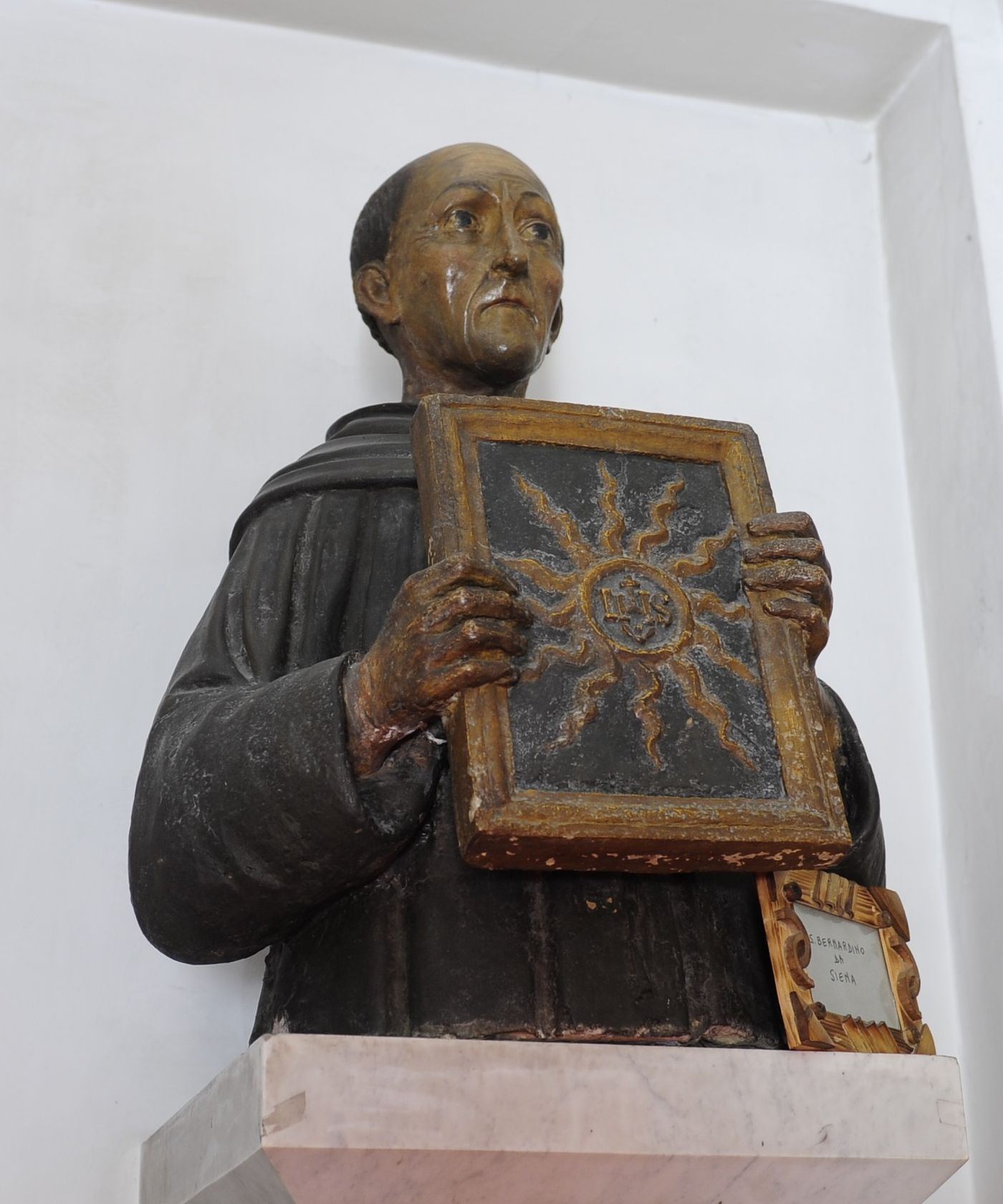
The devotion to this symbol grew to the point that Martin V summoned him to Rome to answer for possible heresy.But after hearing Bernardino, the pope not only exonerated him, but required him to preach in Rome, which he did for the next eighty days. Bernardino became so revered that he was offered the bishoprics of Siena, Ferrara, and Urbino in succession, all of which he declined. Little known today is his skill in economics.He defended private property and explained the necessity of private markets and the function of price. He served for many years as the vicar general of the Observant branch of the Franciscans, and he reformed over three hundred convents of the friars.
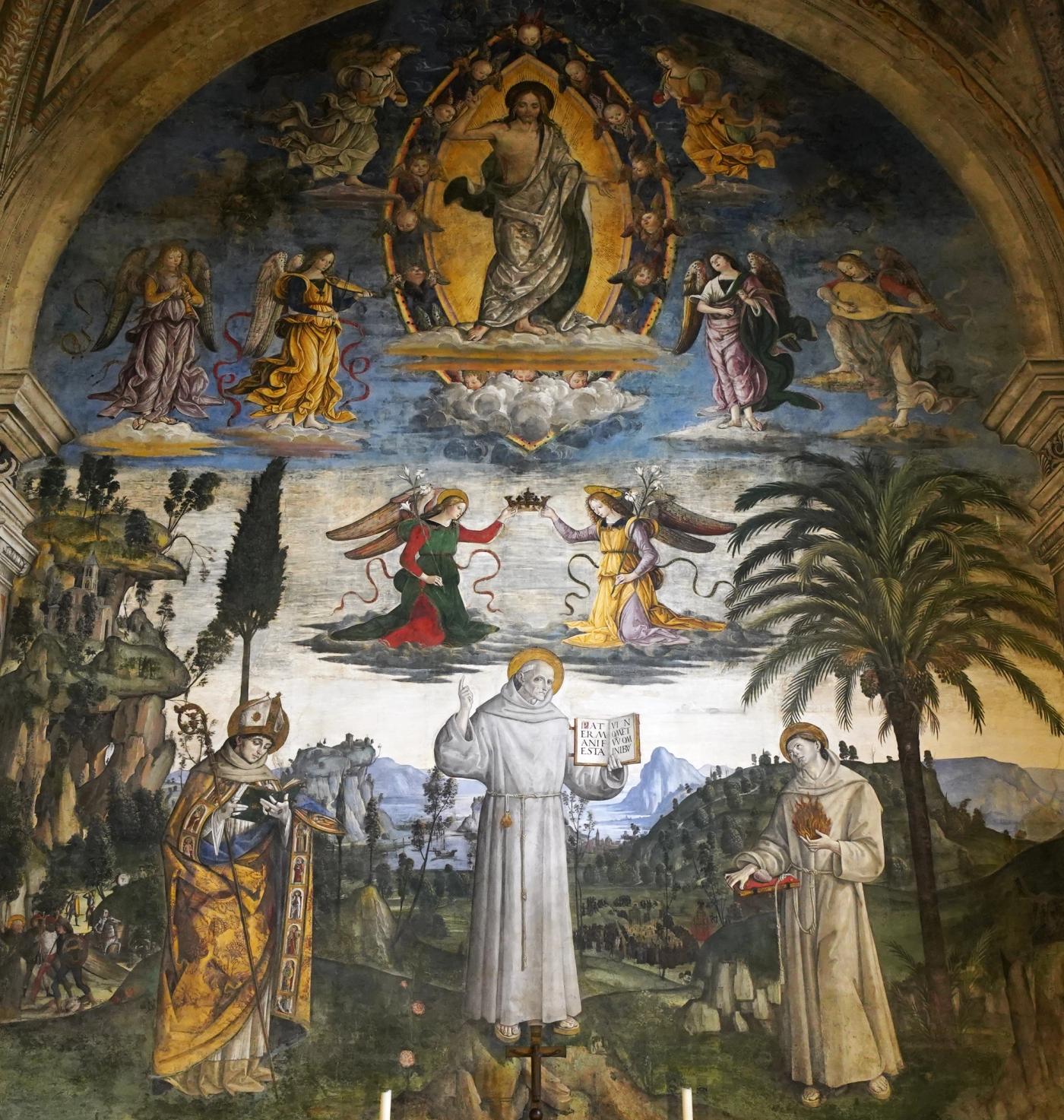
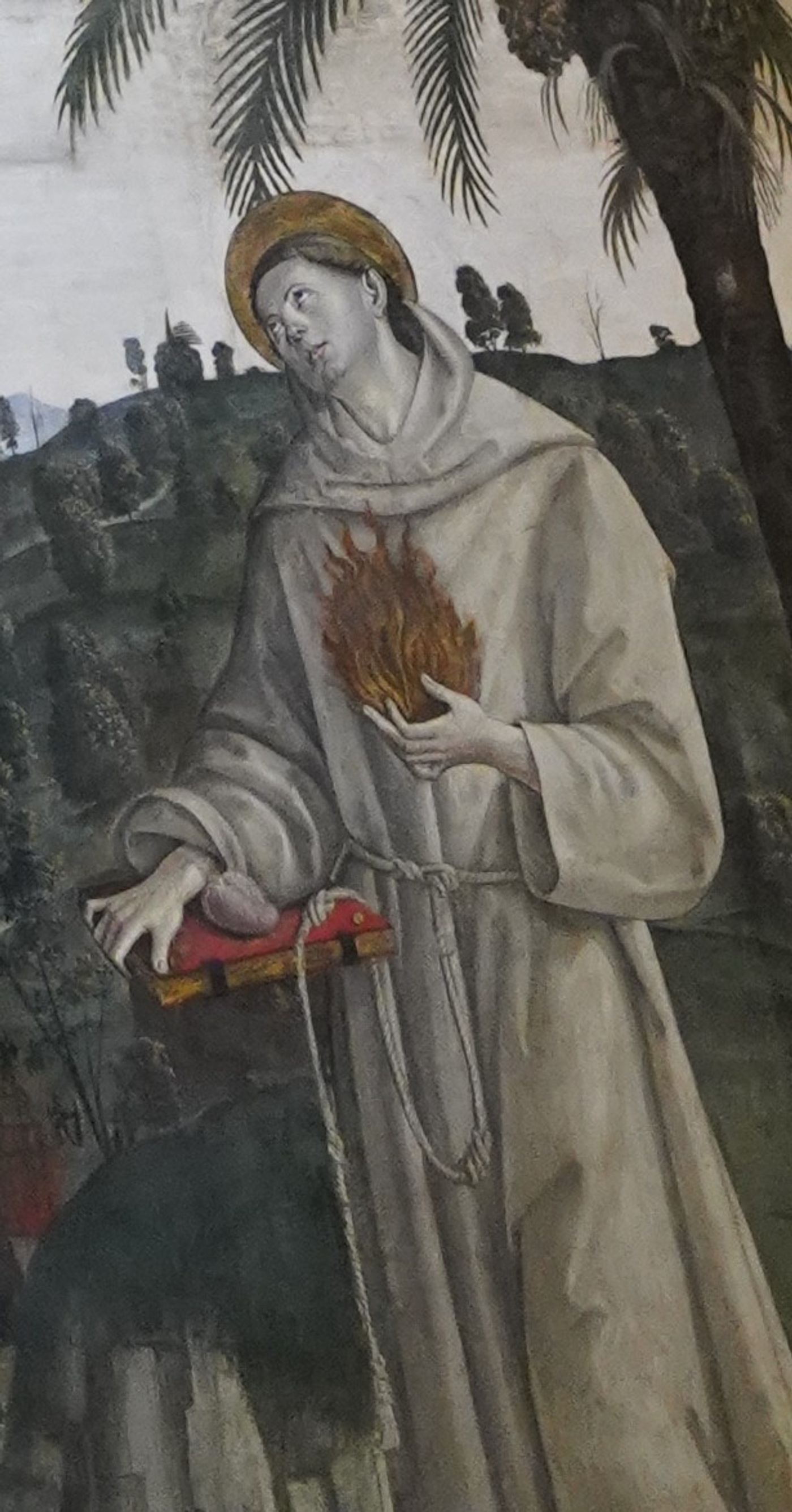
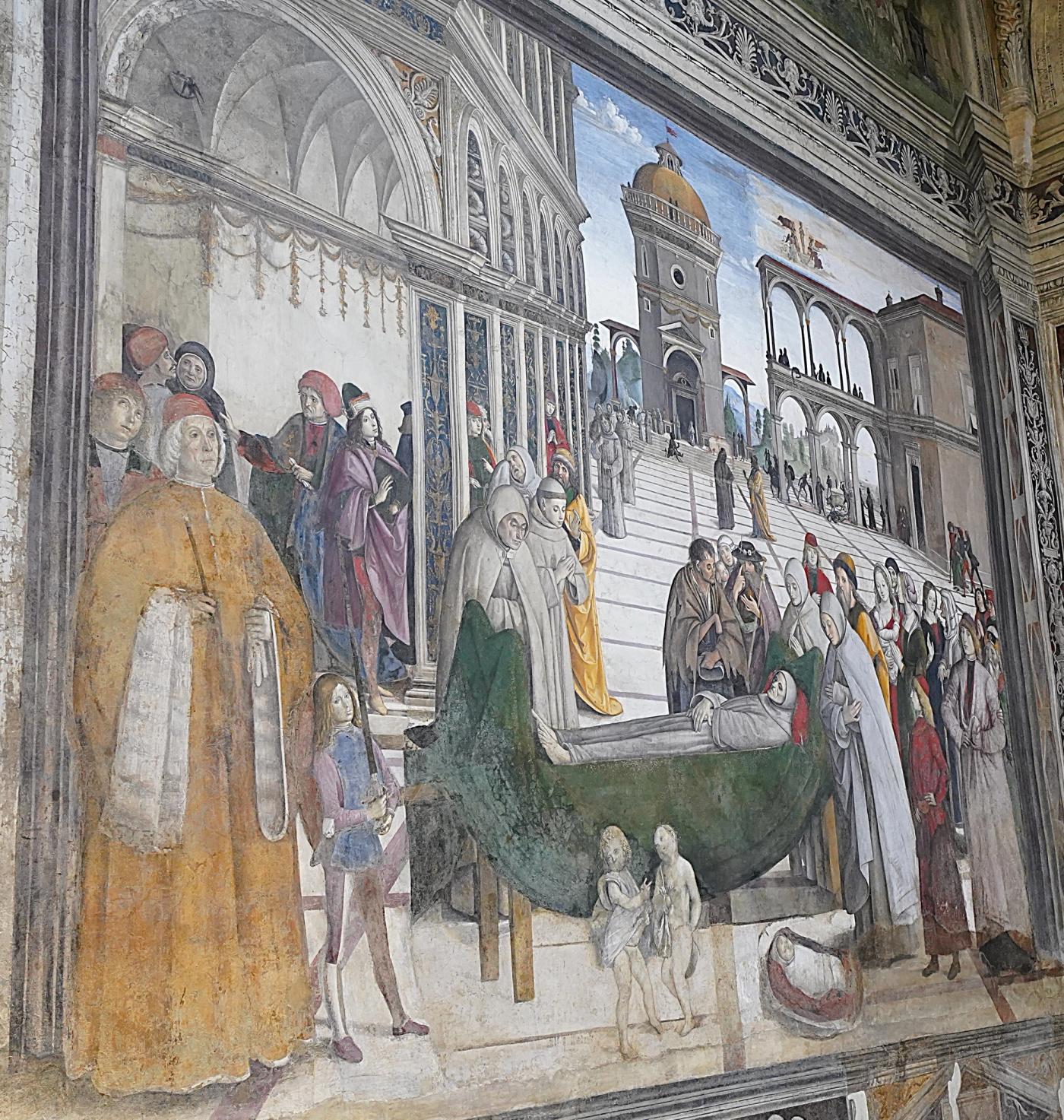
When we celebrate the Holy Name of Jesus, San Bernardino should be remembered as its greatest advocate. In 1540 the Jesuits were to take up the IHS, adding a cross above the H and three nails below, for the Crucifixion.
Thank you for reading. If you found this useful, you might also enjoy the books.