Michelangelo's Dome at St. Peters and the Illuminazione Candle-lighting
September 20, 2026 · 2 min read
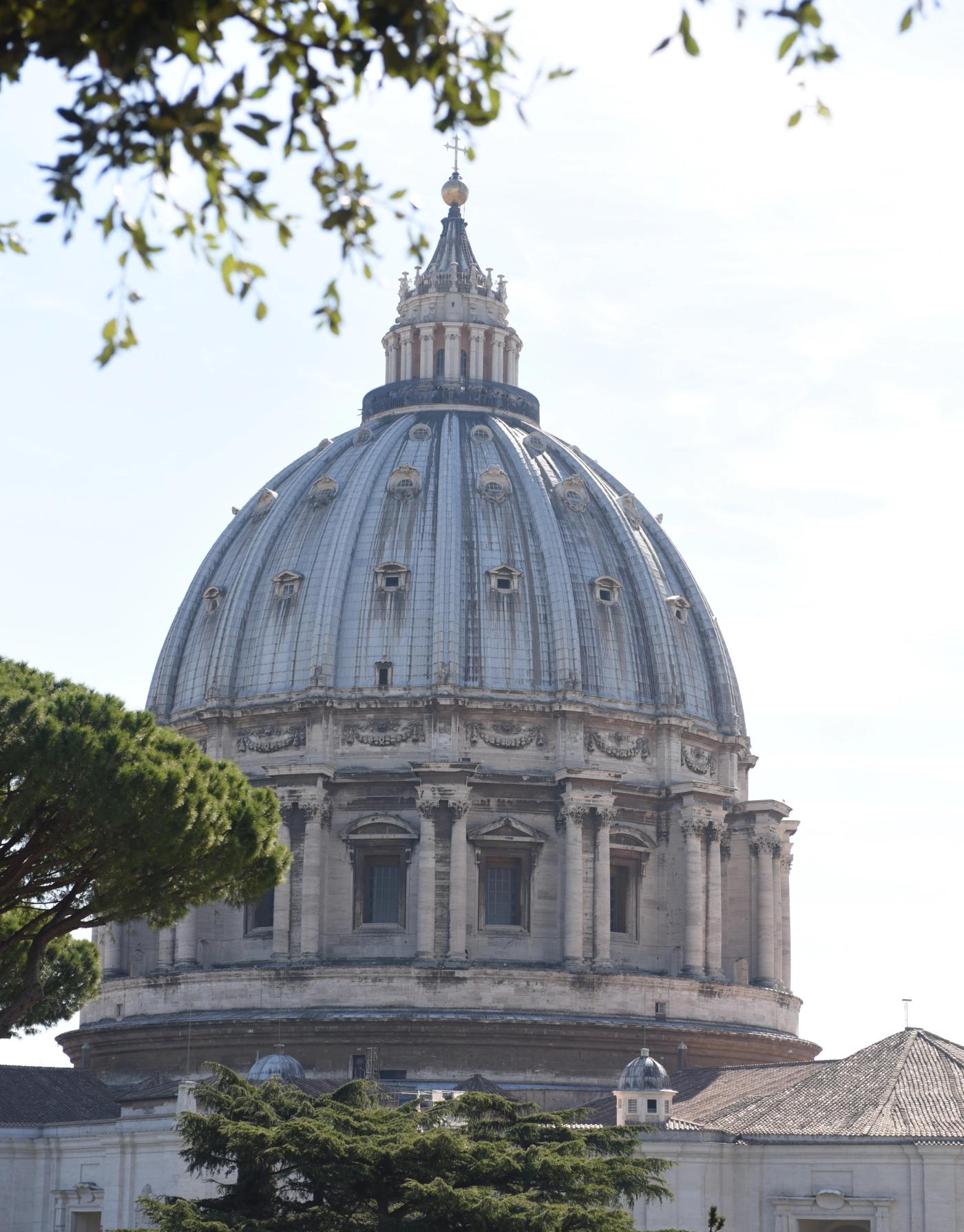
Donato Bramante is the architect who conceived St. Peter’s, but it was Michelangelo Buonarroti who finished it. Although he died before the dome could be put up, he left a model and Giacomo della Porta who followed him followed it, mostly. Michelangelo began the project in 1547, at age 82. Bramante had planned a “flat” tiered dome, like the dome of all domes, the one at the Pantheon. Michelangelo wanted something that reached to the heavens, and that would be seen all over Rome, and the Campagna. For this conception he had before him Filippo Brunelleschi’s dome at Santa Maria del Fiore in Florence, where Brunelleschi 1420 –1436 had accomplished what was regarded as impossible, making a soaring dome 114 meters high (the Pantheon is 43 meters) and 45 meters in diameter, using brick and stone, a double shell, ribbing, and chains.
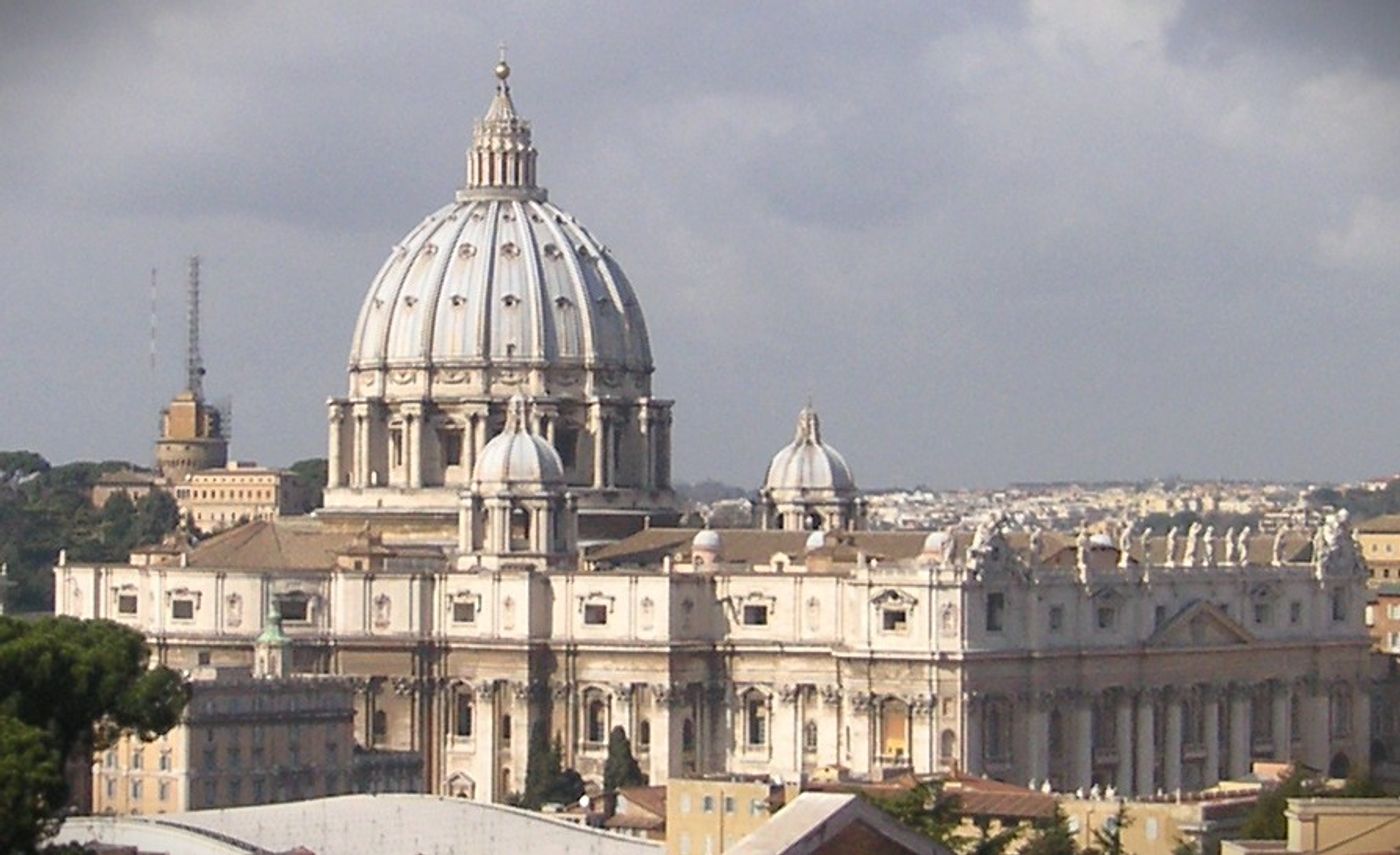
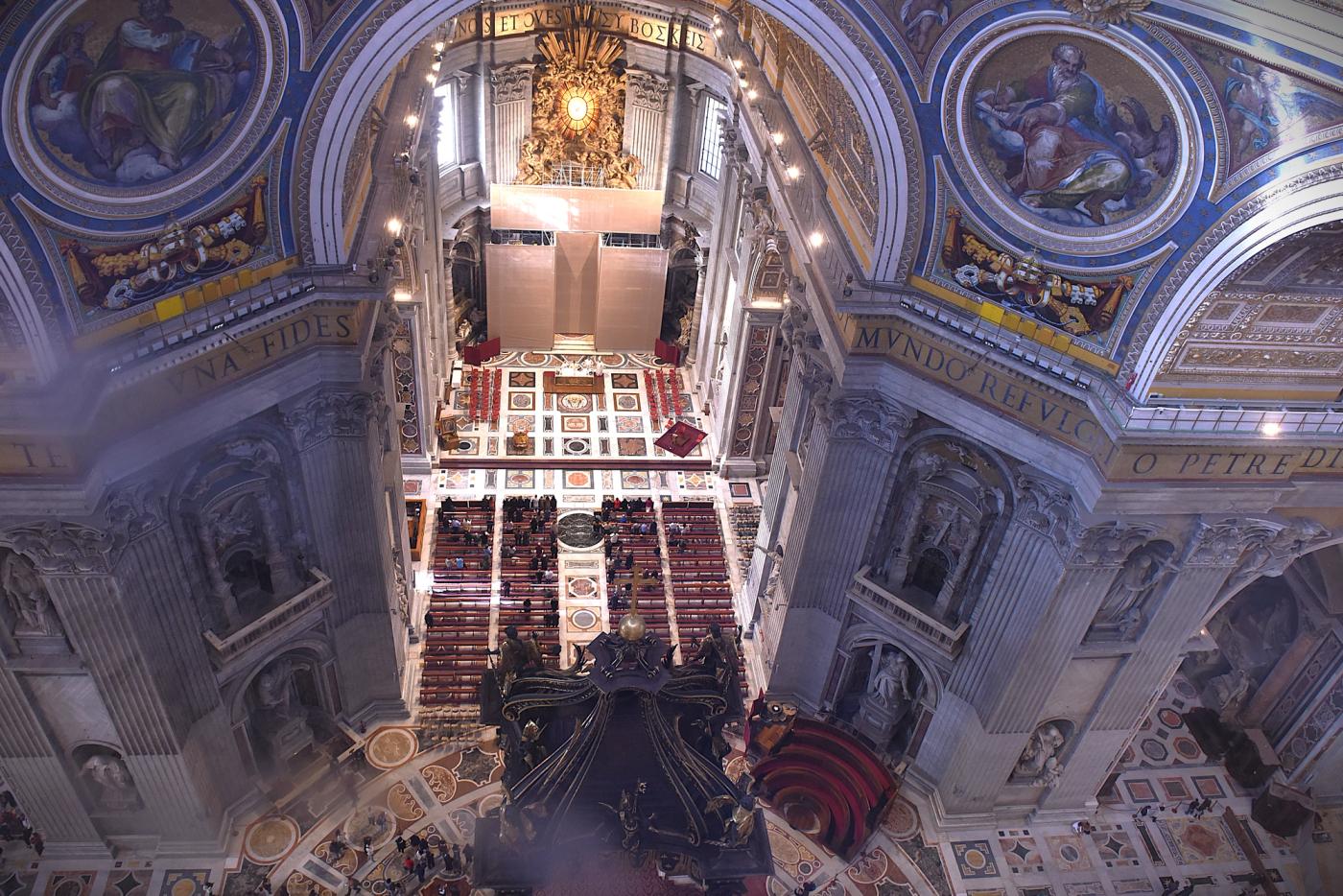
For St. Peter’s, Michelangelo envisioned not the Gothic spire of Florence but a classical hemisphere capped by a tall lantern. He would ensure stability for this dome of all domes by reinforcing the four Bramante piers upon which it would rest (making deep well holes which he filled with concrete), using a double shell (reducing the weight by 40%) (the two meter thick inner shell of brick, the one meter thick outer shell mostly of lead), which thinned as the dome rose in height, and encircling chaining at the base to control the lateral thrust of the massive dome (more chains had to be added in 1743), and sixteen travertine ribs to hold the bricks in place. Michelangelo paired the colossal pilasters on the body of the Basilica with the paired drum columns (which were finished before his death), which then visually carried into the dome ribs, with the high lantern atop the hemisphere the climax. James Ackerman.
After Michelangelo’s death Giacomo della Porta altered Michelangelo’s plan for a hemisphere and made the dome more ovoidal, pointed, resulting in an increase in the height from Michelangelo’s 130 meters to 137, but he had to sacrifice some of the height in the lantern. He also thinned Michelangelo’s ribs. The dome was finished up to the lantern by 1590, and the lantern and external lead sheathing was finished in 1593. In the Jubilee year 1650, at the height of the baroque, the dome was first candle lit—the first “Illumination.”
The illuminations were at first reserved for the feast of Peter and Paul, but then extended to other holidays.
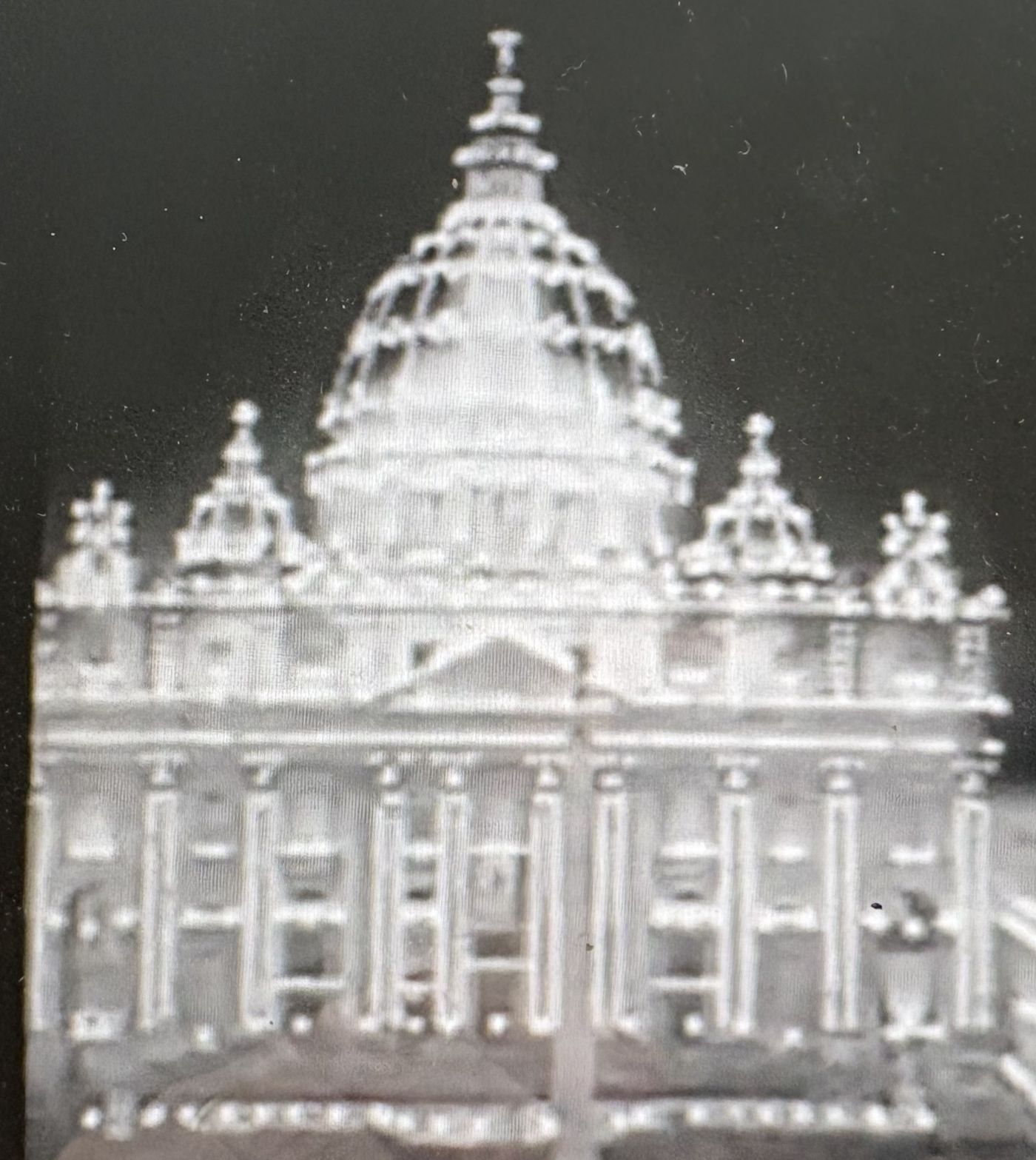
For ten miles around Rome, the people would come out to marvel at the sight. “There is nothing in the world that can equal what I saw!” John Ruskin 1840. The tradition ended in 1940, victim to electricity and rules for worker safety.
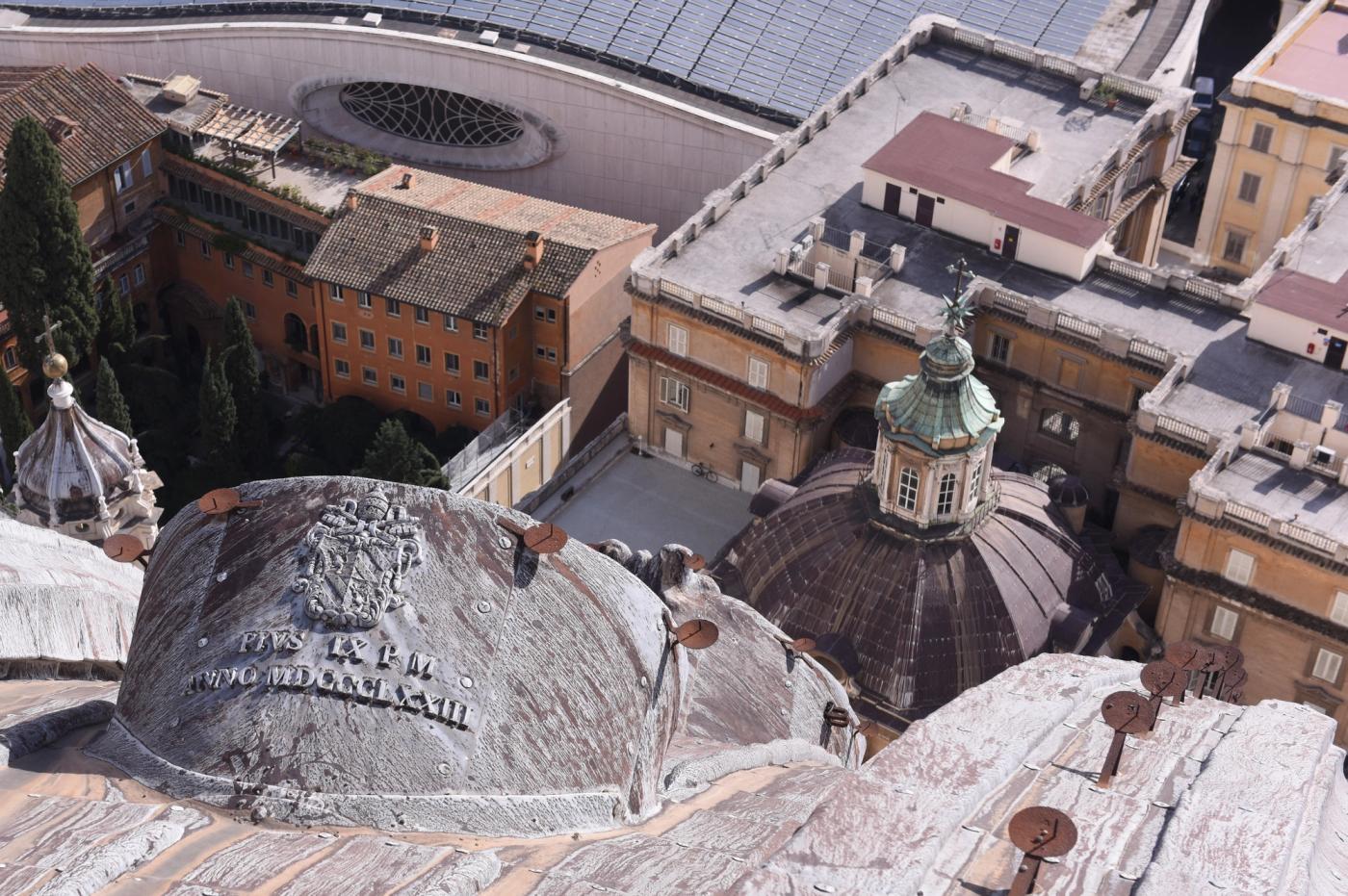
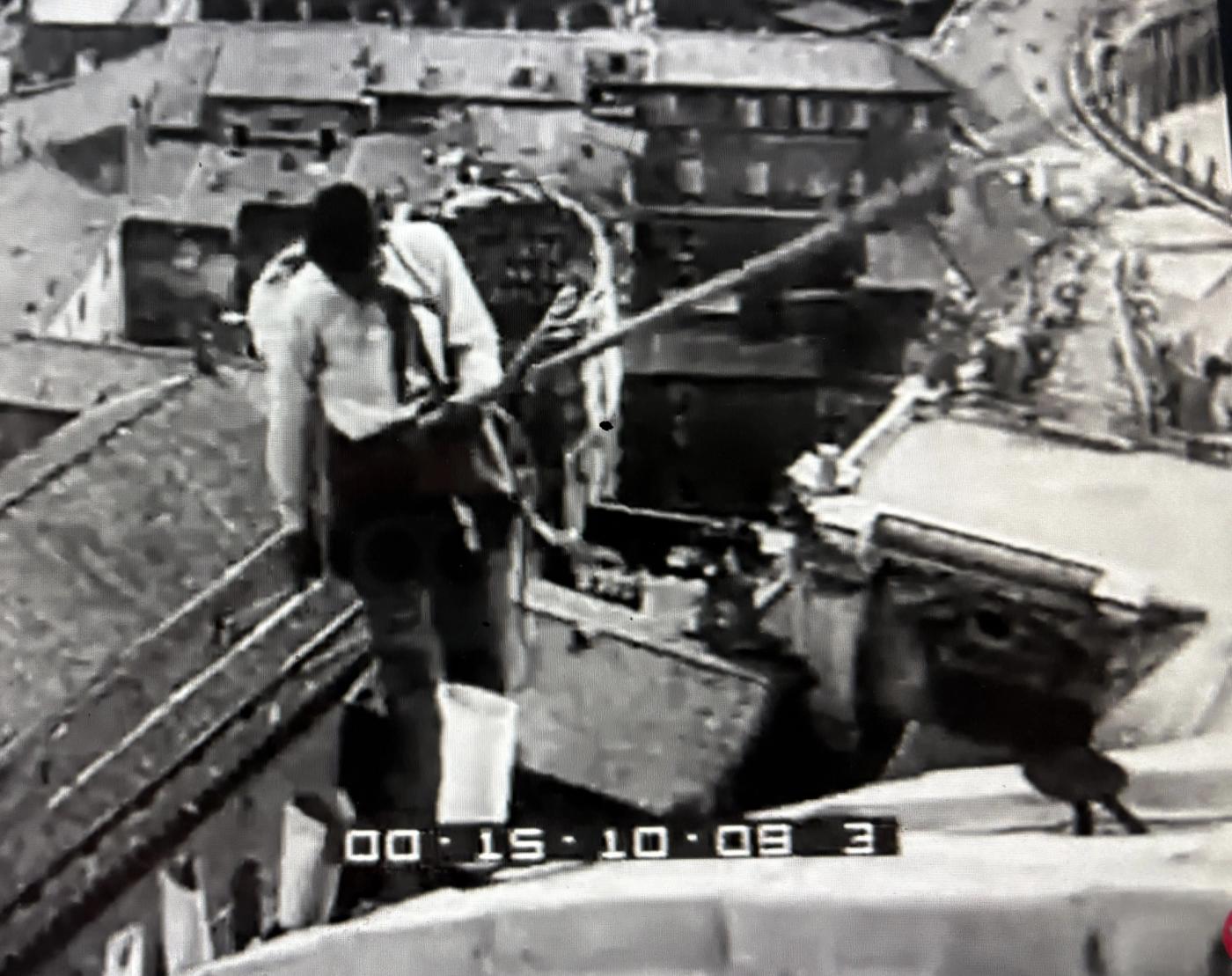
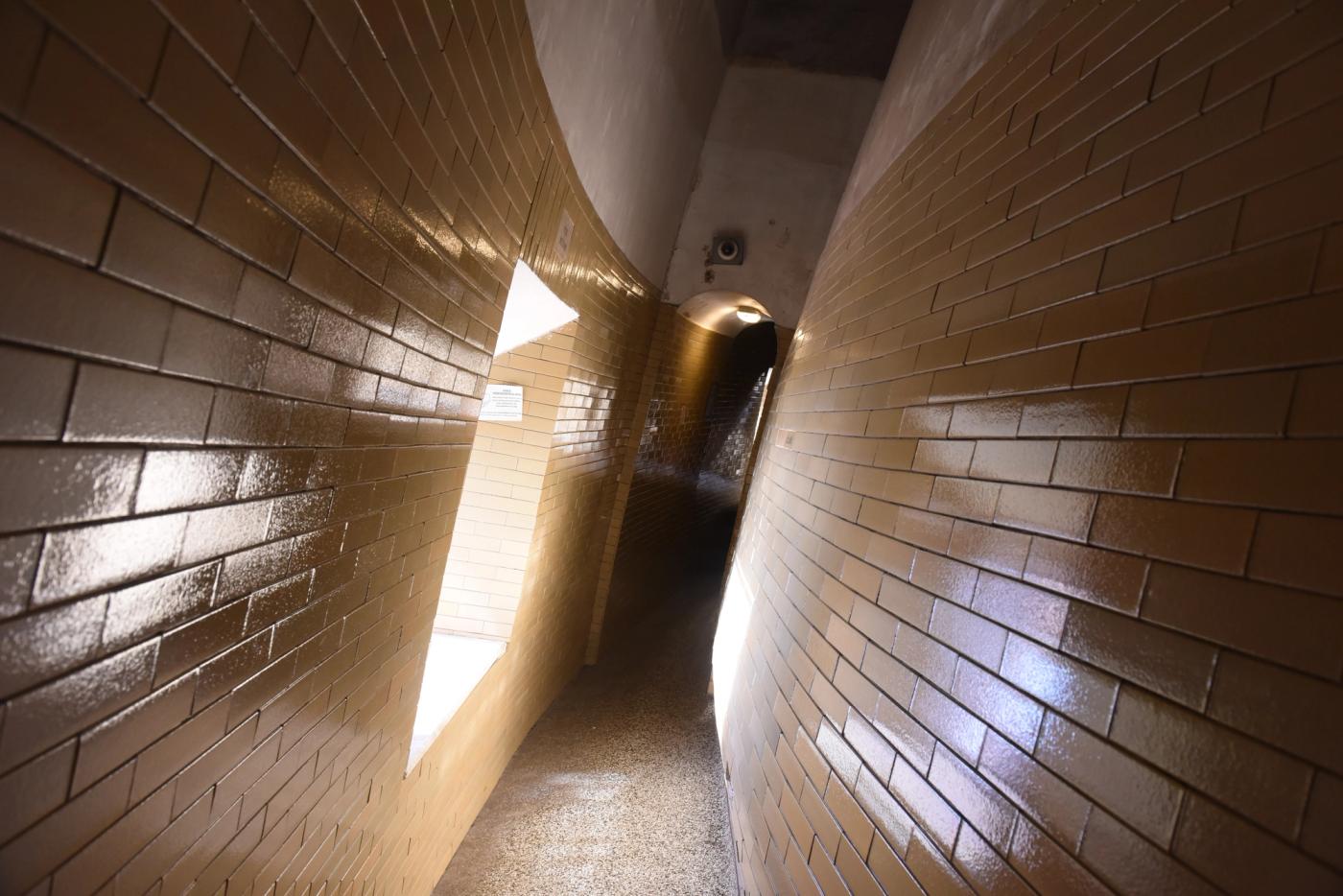
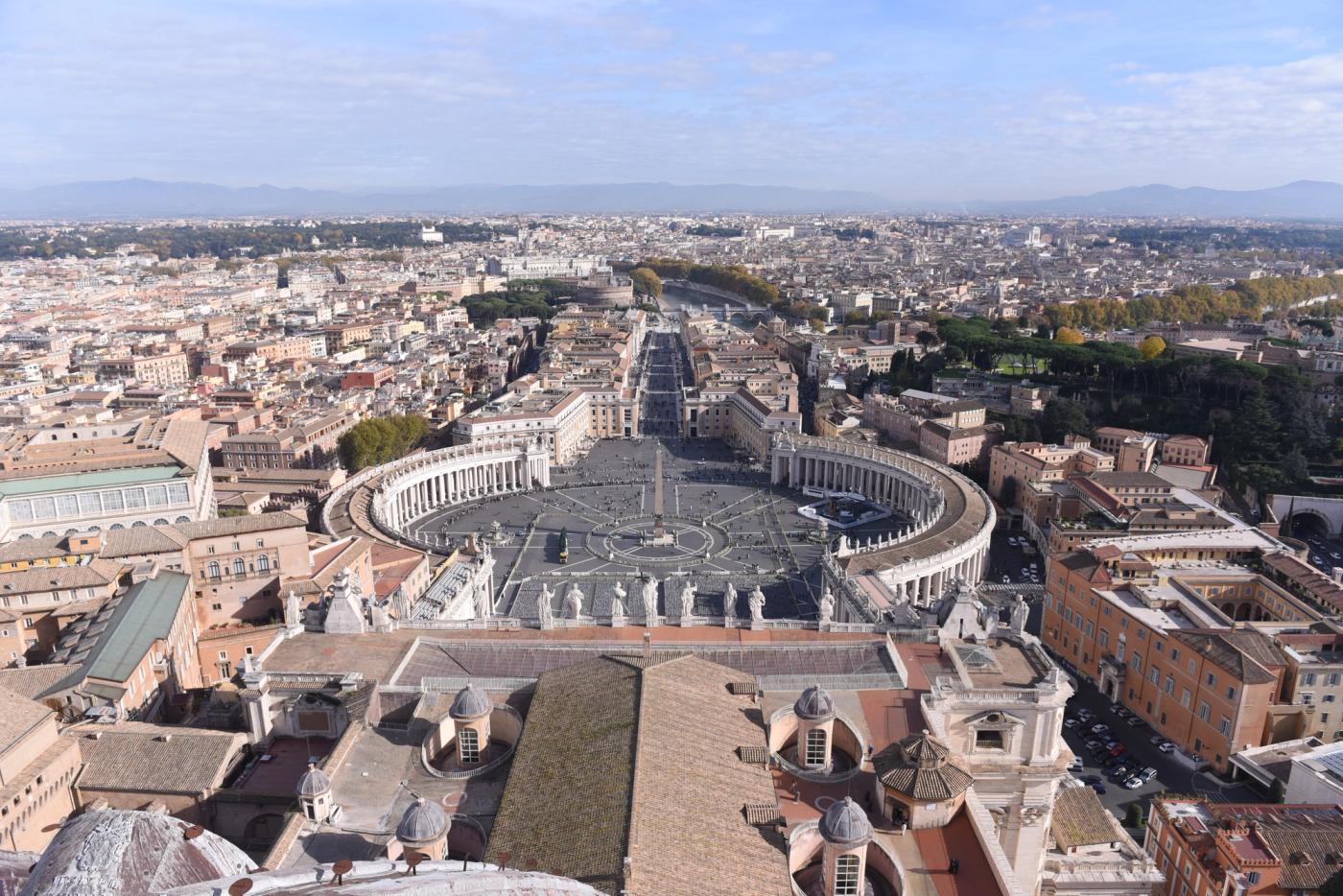
On your trip to St. Peter’s, ascend to the lantern and the great bronze sphere made by Sebastiano Torrigiani.
Thank you for reading. If you found this useful, you might also enjoy the books.