Giovanni Pisano's Ivory Madonna and Child in Pisa
October 8, 2026 · 2 min read
In the fifth century BC an Attic sculptor learned to pivot the “rigid’ and frontally posed kouros inherited from the Egyptians in such a way that his hips moved one way and his shoulders another. Contraposto was born.This was the “transcendental moment the figure moved in the stone and won the freedom to swing upon its axis…”Michael Ayrton.This movement was critical to the addition of narrative story to sculpture.
When Rome fell, so did contraposto, giving way to the Byzantine frontal hierarchical stare. Eight centuries later, at the end of the thirteenth century, the turn, movement, reality and contraposto returned to sculpture.It was Giovanni Pisano who brought this ‘dramatic twist’ of forms “moving counter to one another within the limber architecture of the human frame” back to life.
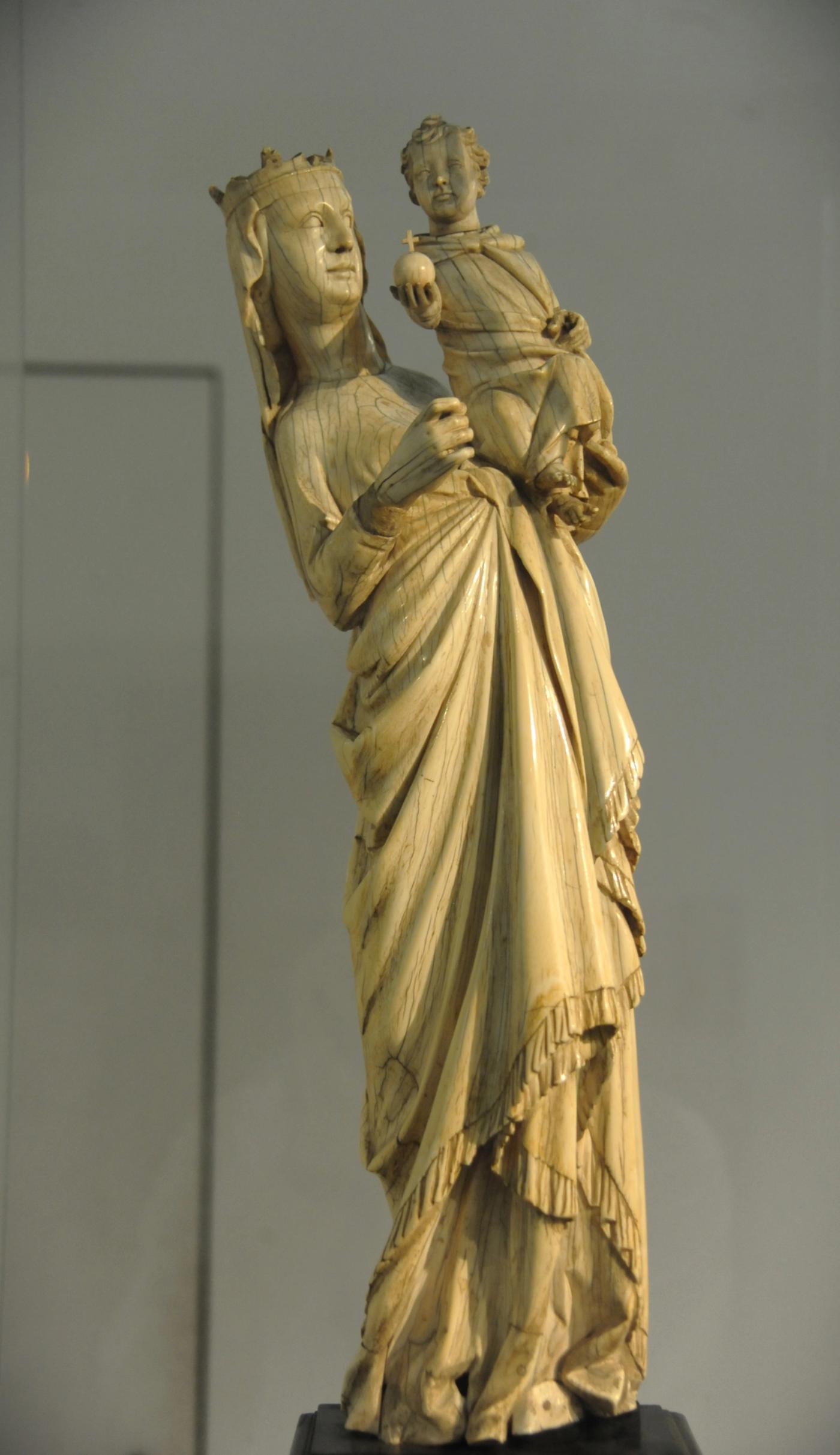
This remarkable return happened in Pisano’s ivory carving of the Madonna and Child, now at the Museo San Mateo/ Opera del Duomo in Pisa. He made the sculpture in 1298 or 1299. The ivory is unusually large, some 53cm in height. It was part of an altar table for the high altar of the Duomo, flanked by two angels with metal wings holding candelabra. Most probably Giovanni made his ivory crucifix now at the Victoria and Albert for this same altar. Ivory was a precious commodity in the Middle Ages, prized for its “density of grain and response to precision,” lending itself to “suppleness of form and sharpness of contour.” Giovanni achieved exquisite contraposto in his Pisan ivory Madonna.There are two curves: the first follows the natural form of the tusk, and in the second Giovanni achieved immortality in art.He creates a second curve, a contraposto “within the larger form of the tusk.” Here is one of the “most consequential milestones in the whole history of sculpture.” This is the “Spring of the Renaissance itself.” Ayrton.
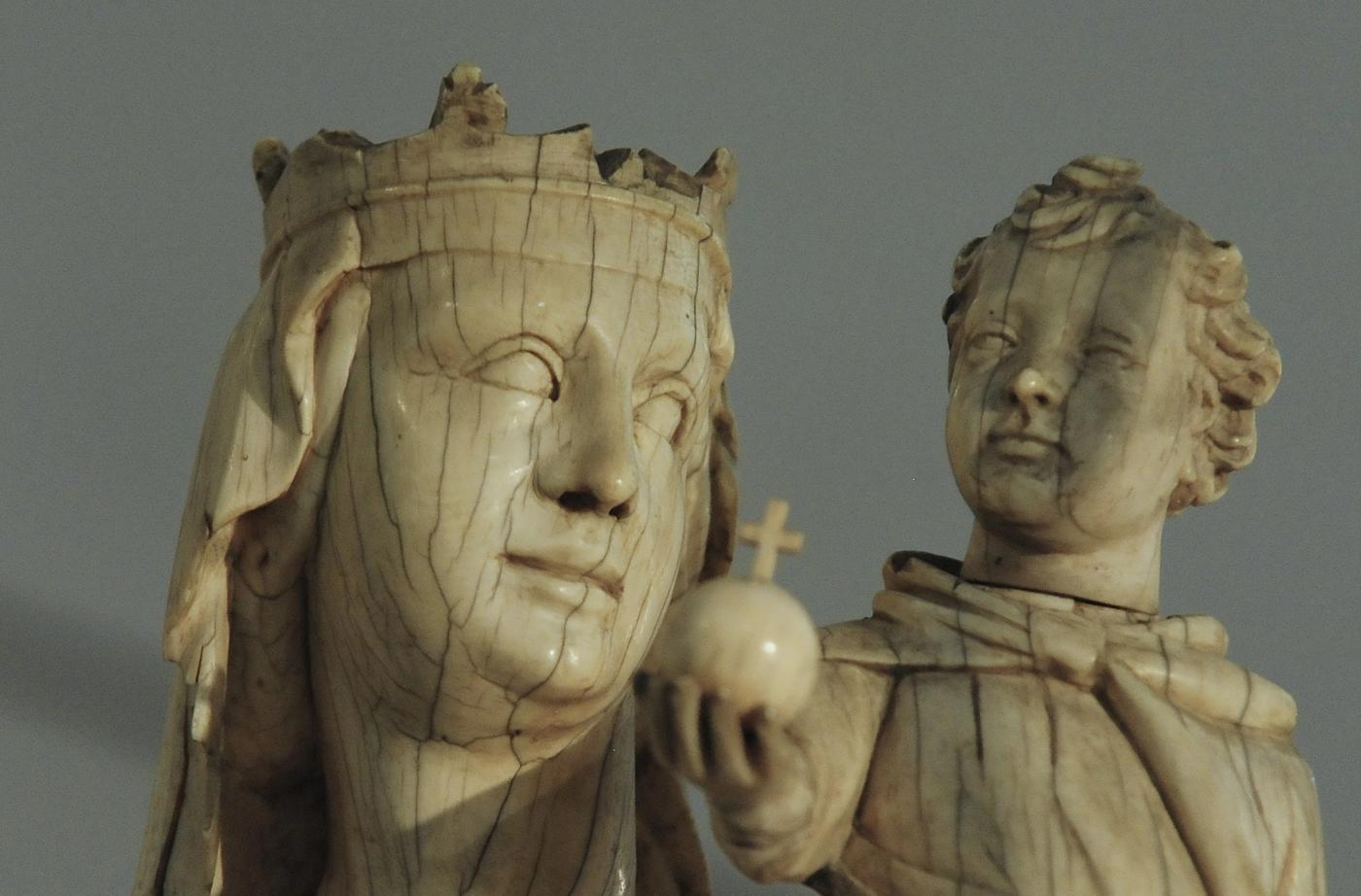
The ivory Madonna and Child suffered much over the years, especially in the fire of 1595.In 1635 the Child was given a new head and foot, the Madonna a new hand. In the process Jesus’ head was turned, the proper benediction was altered and the orb changed hands.We can also see that Mary has lost the flower or staff from her right hand.Despite all this, the beauty and the contraposto still touch the human soul.
Thank you for reading. If you found this useful, you might also enjoy the books.